Training the Next Generation of Legal Leaders
The Wisconsin Innocence Project, or WIP, seeks to exonerate the innocent and to train the next generation of legal leaders.
Our student teams have successfully secured the release of more than 30 wrongfully-convicted persons, and our success has brought about national recognition. We have received multi-million dollar grants from federal agencies such as the National Institute of Justice and the Bureau of Justice Administration.
Our students are led by professors with expertise in litigation, motion practice, appellate advocacy, constitutional law, civil rights, and legal writing. Each year, under supervision, our student teams visit prisons and interview witnesses. They consult forensic experts; they draft appellate briefs; and they argue dispositive motions.

Noemi Reyes (left) and Gabriella Marquez (right) have won the CLEA Outstanding Clinic Team Award for their work in WIP. Also pictured: Christopher Lau; photo by Alyssa Lentz.
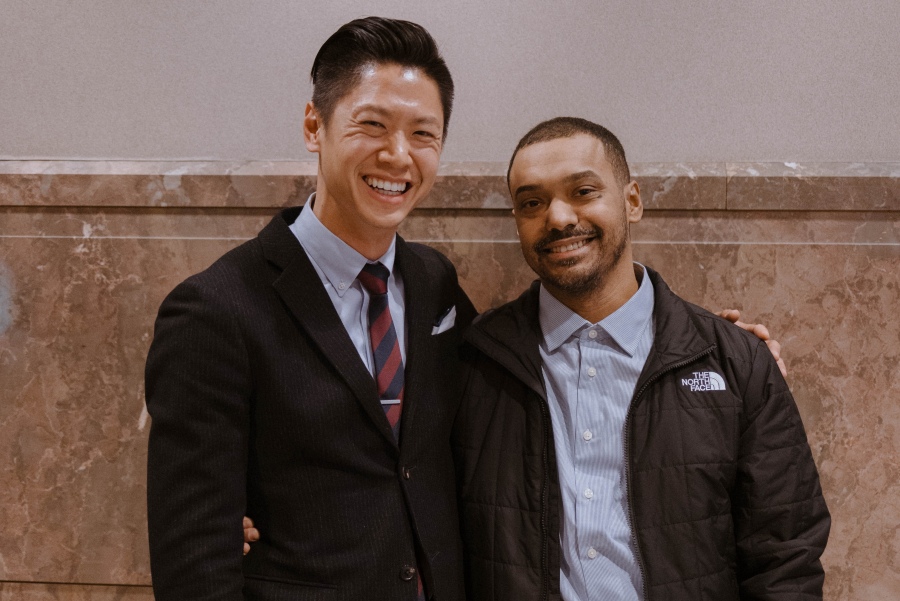
Wisconsin Innocence Project Co-Director Christopher Lau (left) and Manuel Cucuta on Nov. 26, 2024, upon Cucuta's release from prison. Photo by Alyssa Lentz.
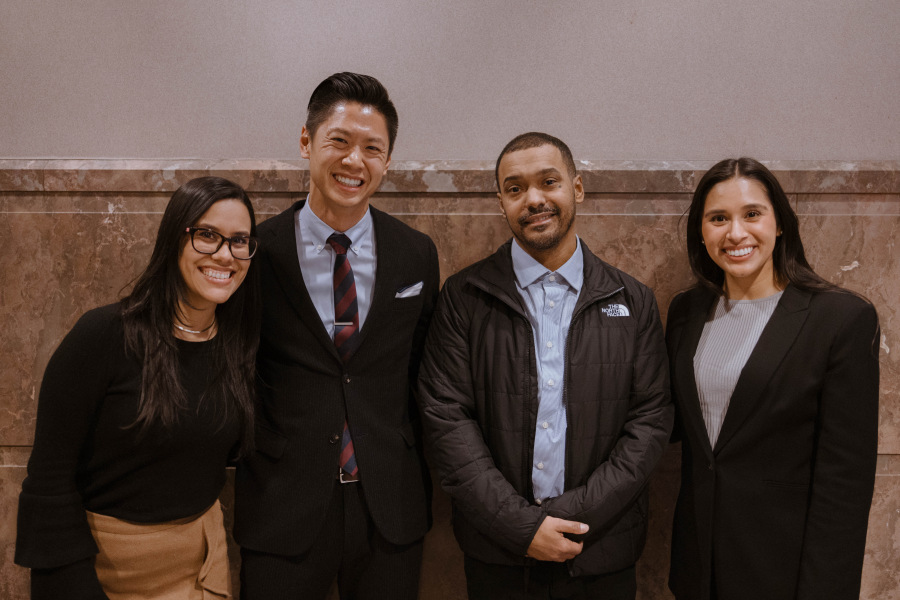
University of Wisconsin Law School students Gabriella Marquez (left) and Noemi Reyes (right) pose with Wisconsin Innocence Project Co-Director Christopher Lau (second from left) and Manuel Cucuta on Nov. 26, 2024, upon Cucuta's release from prison. Photo by Alyssa Lentz.
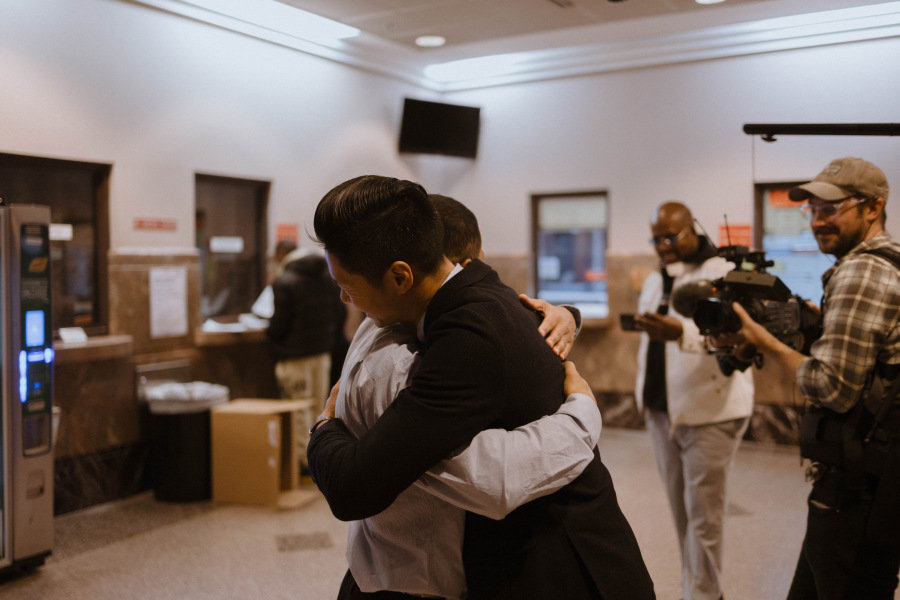
Christopher Lau hugs Manuel Cucuta Nov. 26, 2024, upon his release from prison. Photo by Alyssa Lentz.
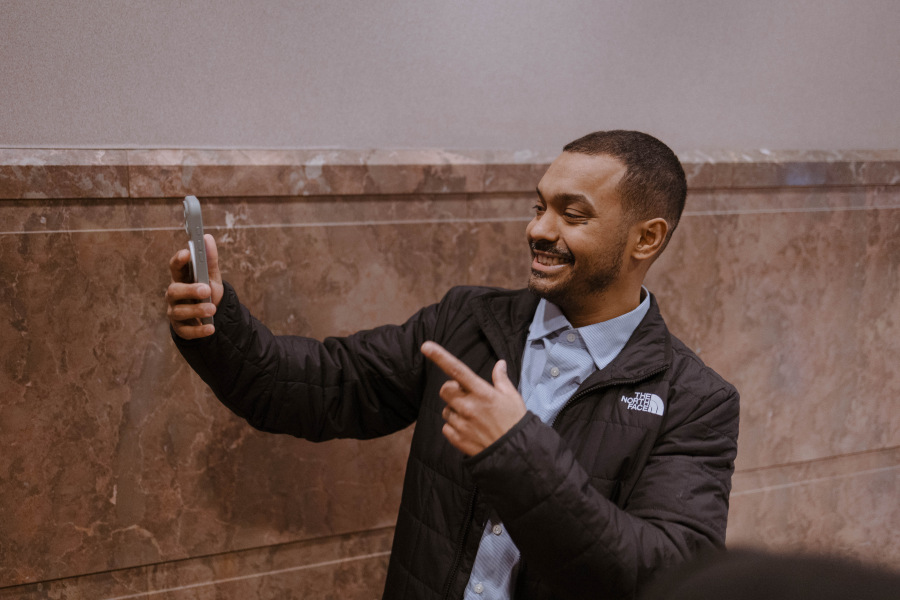
Manuel Cucuta smiles Nov. 26, 2024, upon his release from prison after 27 years. Photo by Alyssa Lentz.
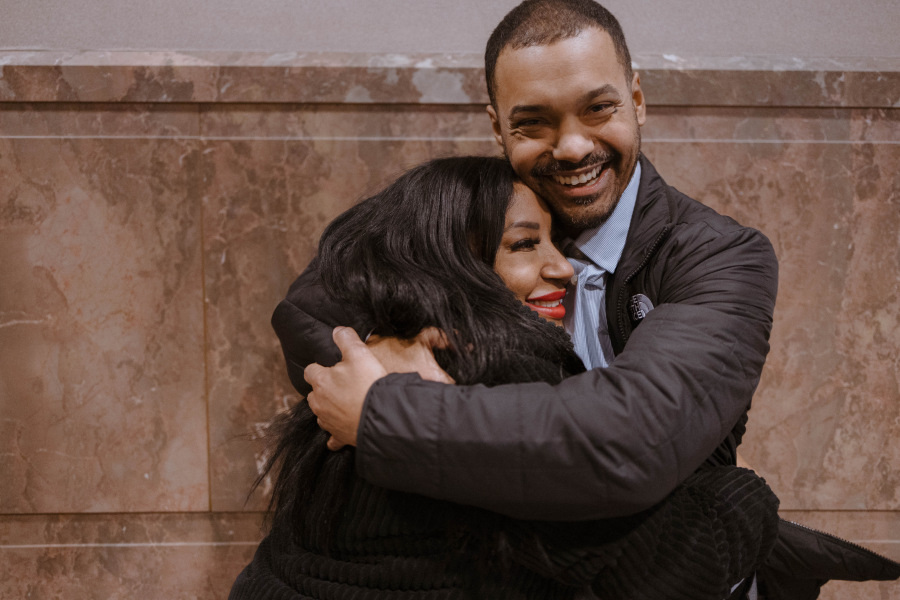
Nereida Santiago hugs her son, Manuel Cucuta, Nov. 26, 2024, upon his release from prison. Photo by Alyssa Lentz.
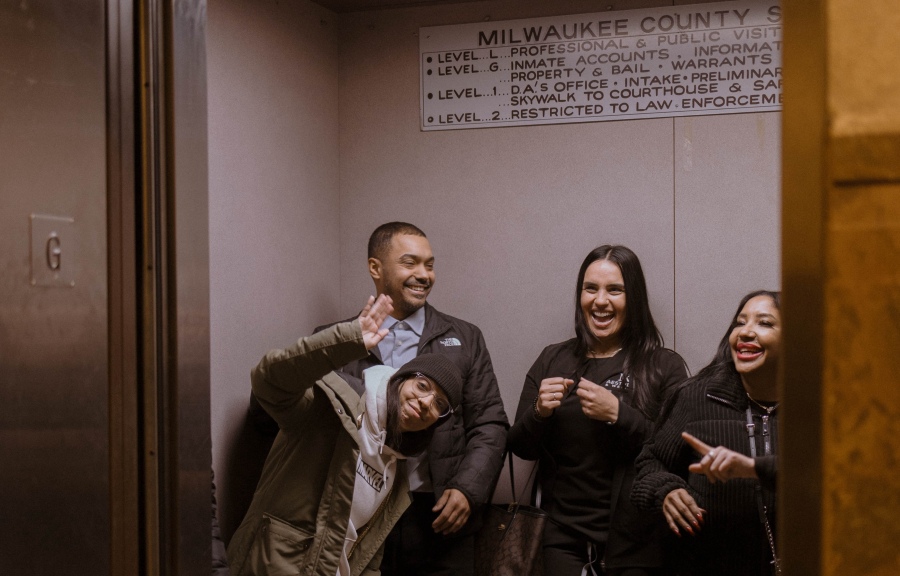
The loved ones of Manuel Cucuta (second from left) join him in the elevator Nov. 26, 2024, upon Cucuta's release from prison. From left are his sister, Carolina; his partner, Sonia; and his mother, Nereida. Photo by Alyssa Lentz.
News & Media
We speak regularly at international conferences, and our professors have been featured on NBC news, Nightline, C-Span, XM-radio, 20-20, the Katie Couric Show, the New York Times, the New York Times Sunday Magazine, the ABA Journal, and Wisconsin Public Radio.
We've also provided commentary or interviews for The New York Review of Books, The Boston Globe, the Associated Press, the Washington Post, The Chicago Tribune, and Milwaukee Journal Sentinel.
Latest Updates
Wrongly convicted brothers each awarded $25K, both recommended for $1 million (Oct. 22, 2025)
Wisconsin Innocence Project Receives $1.5 Million Grant (Jan. 6, 2025)
Wisconsin Innocence Project Client Manuel Cucuta Released After 27 Years in Prison (Nov. 26, 2024)
Wisconsin Innocence Project Client David Bintz Exonerated After 25 Years in Prison (Sept. 26, 2024)
WIP Clinical Staff
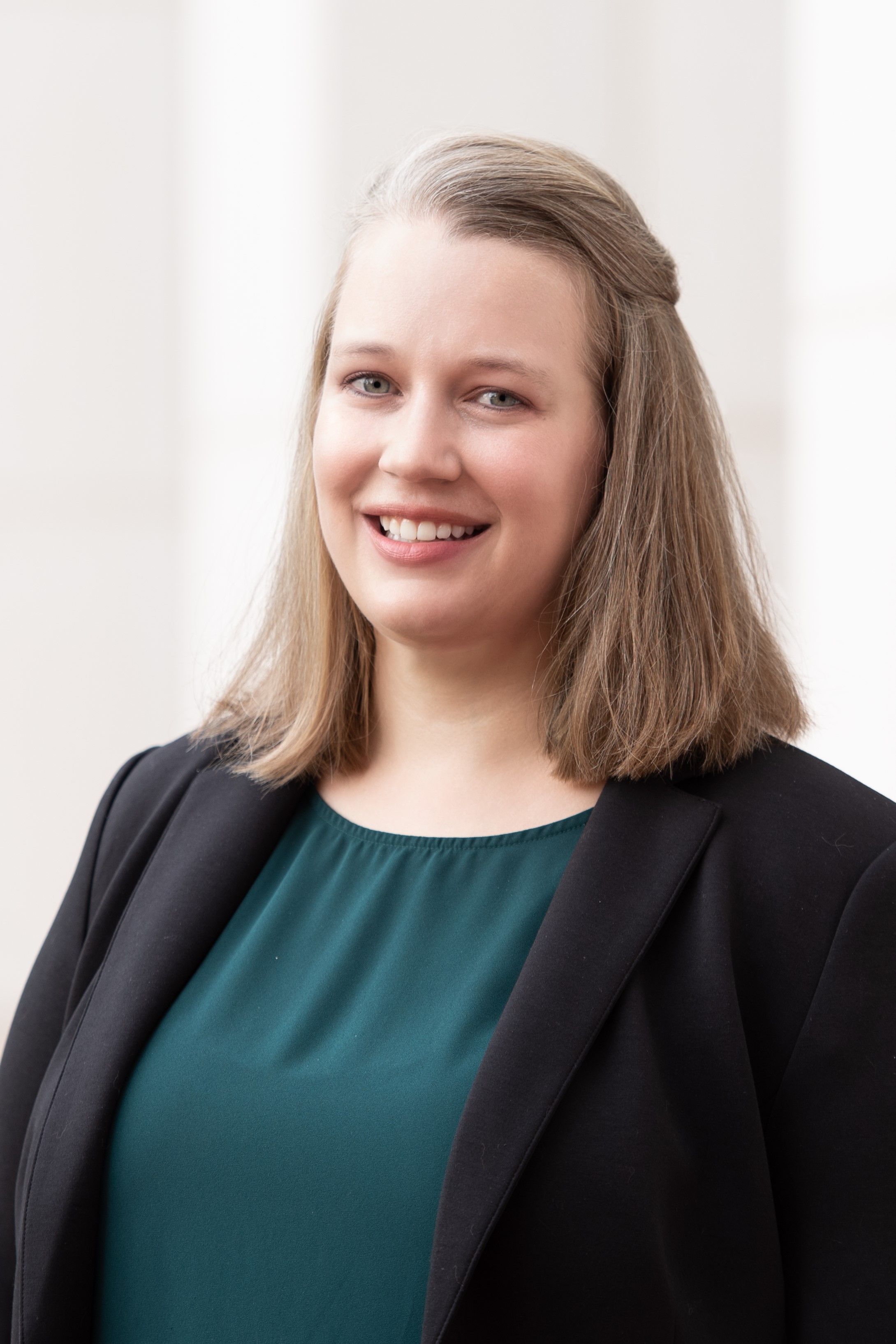
Rachel Burg
Wisconsin Innocence Project
Co-Director
rburg2@wisc.edu
975 Bascom Mall,
4318e Law Building,
Madison, WI, 53706-1399
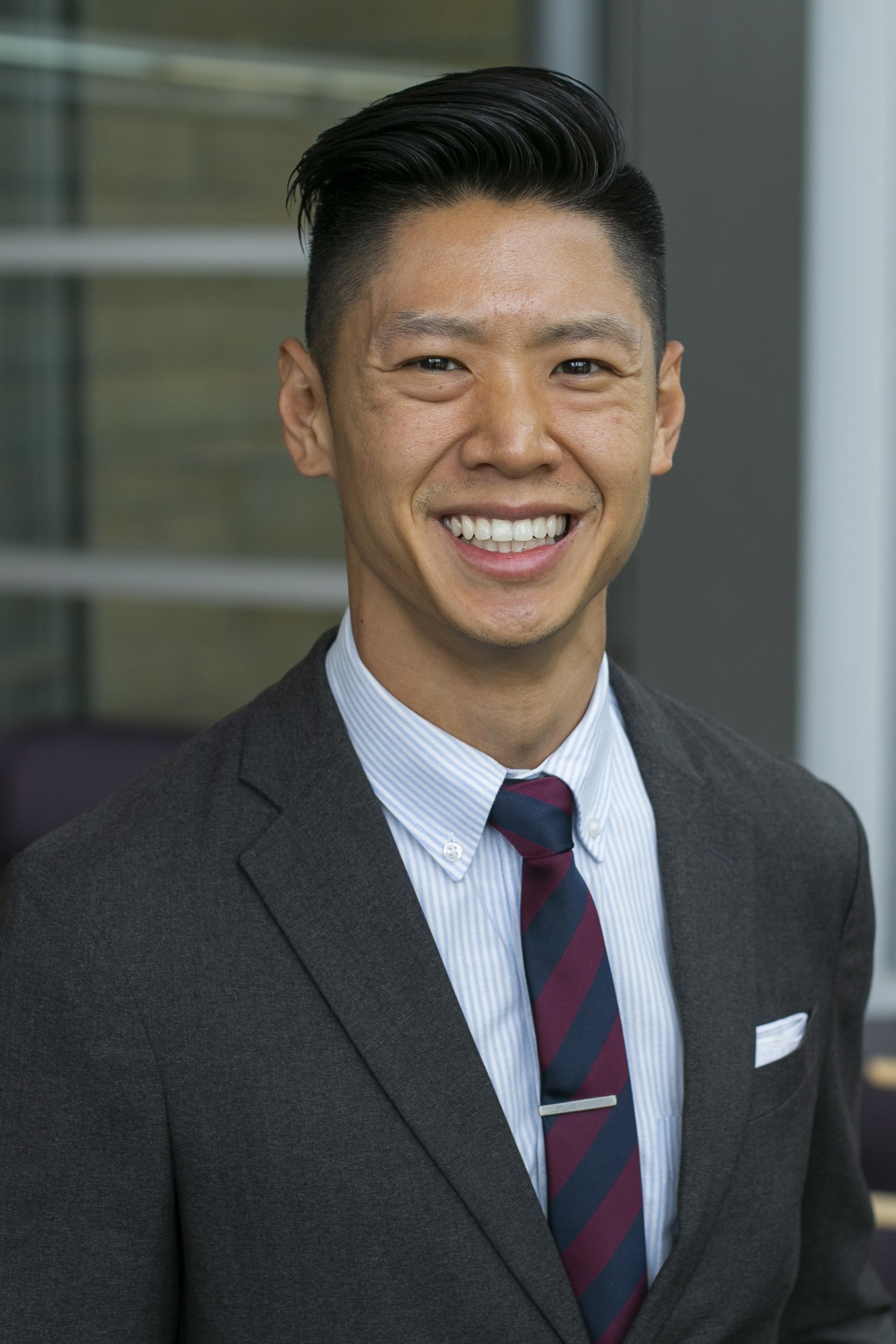
Christopher Lau
Wisconsin Innocence Project
Co-Director
christopher.lau@wisc.edu
975 Bascom Mall,
4318c Law Building,
Madison, WI, 53706-1399
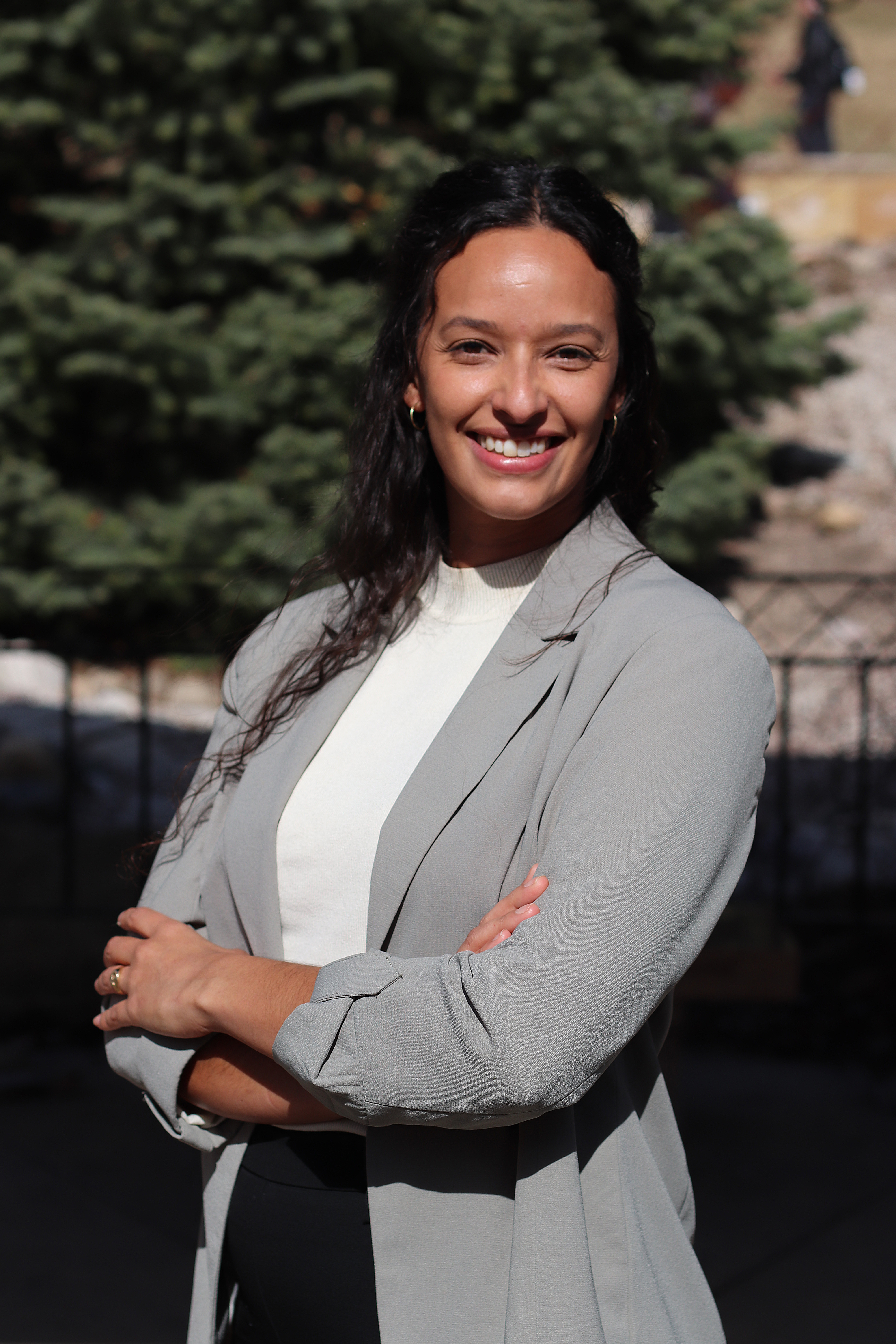
Camila Calvo
Wisconsin Innocence Project
Intake Research Associate
cbcalvo@wisc.edu
975 Bascom Mall,
4318 Law Building,
Madison, WI, 53706-1399
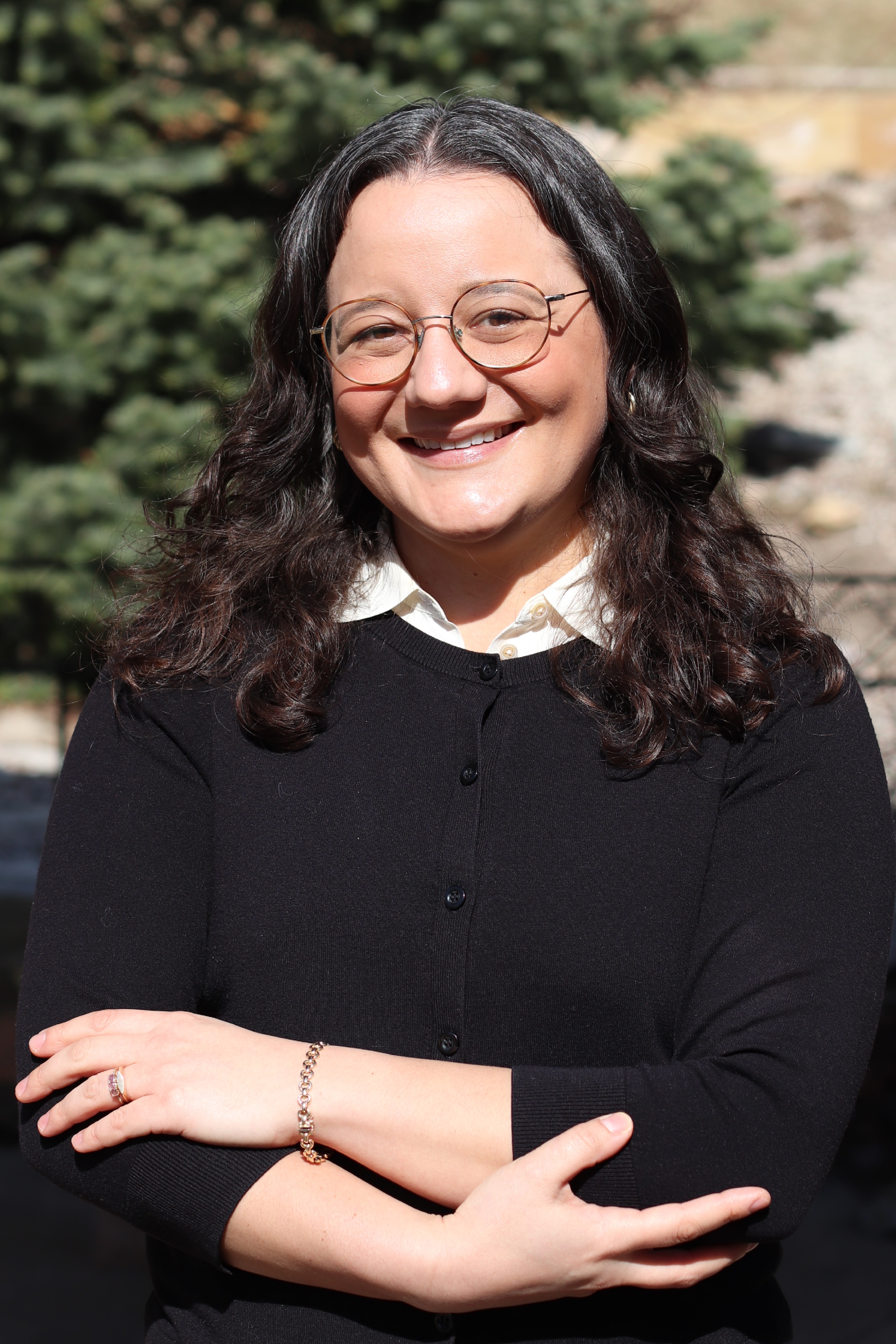
Lauren Restivo
Wisconsin Innocence Project
Clinical Instructor
lauren.restivo@wisc.edu
975 Bascom Mall,
4318 Law Building,
Madison, WI, 53706-1399

Megan Richardson
Wisconsin Innocence Project
Staff Attorney
megan.richardson@wisc.edu
975 Bascom Mall,
4318 Law Building,
Madison, WI, 53706-1399
