Sarah Davis
Director, Center for Patient Partnerships; Clinical Professor
 Curriculum Vitae
 @sdavis975


Education
J.D. 2002, University of Wisconsin Law School
M.P.A. 2002, La Follette School of Public Affairs
B.A. 1995, Wesleyan University
Biography
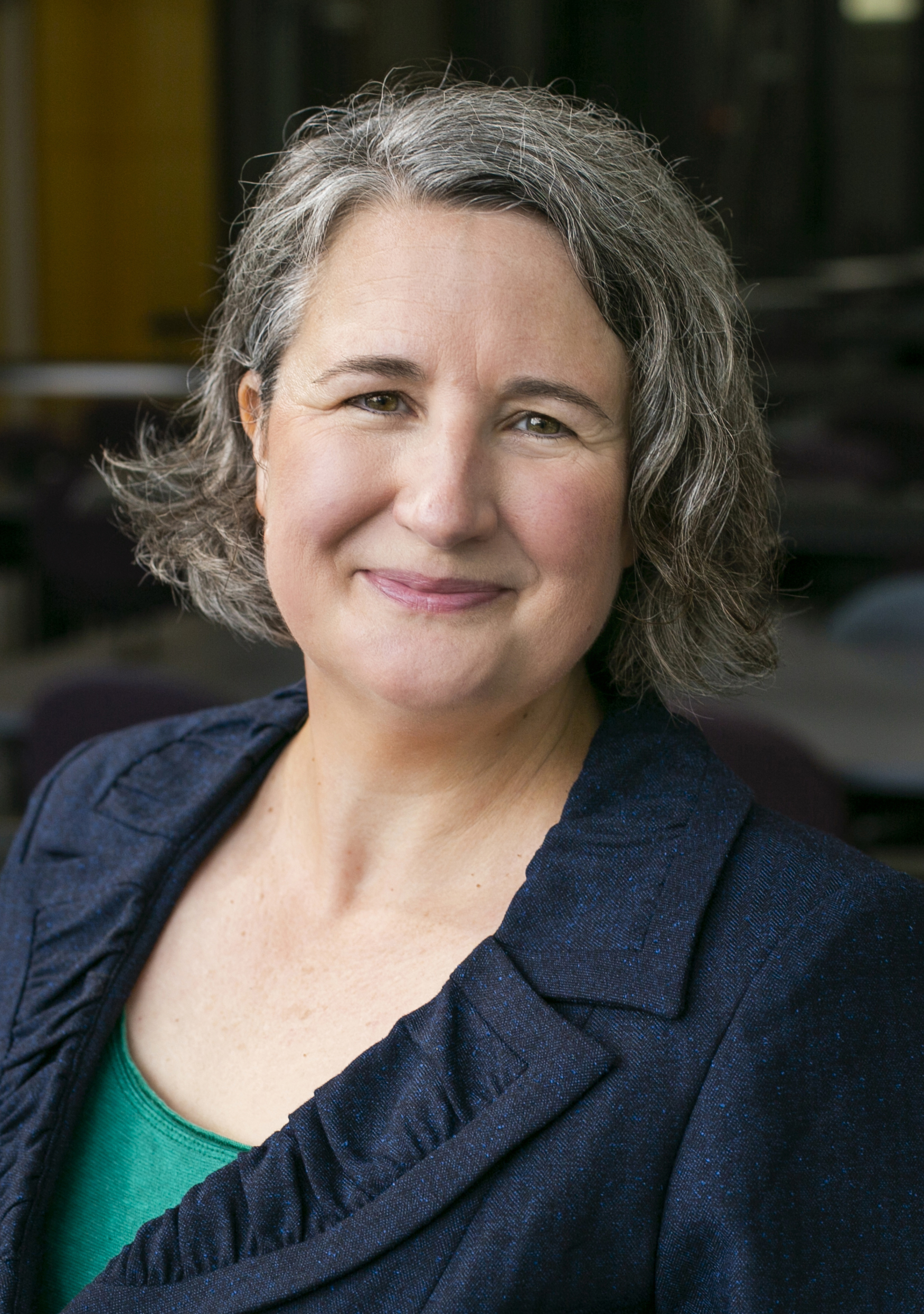
Sarah Davis is Distinguished Clinical Professor of Law and Director of the interdisciplinary Center for Patient Partnerships at the University of Wisconsin where she teaches about patient advocacy, health and public health law, including in the service-learning Health Justice Clinic as supervising attorney.
Ms. Davis is also the Assoc. Director for LIFT Wisconsin, a collaborative initiative to increase economic prosperity in Dane County by streamlining access to justice through technology and reforming court systems and public policies. Read her latest article on this project: LIFT as “The Fourth Moment” in Wisconsin Clinical Legal Education for Social Justice, Wisconsin Law Review, 2021 Wis. L. Rev. 417 (2021).
Areas of interest include systems thinking and systems transformation - specific to health and civil justice systems; engaging key stakeholders in these change processes; and medical and legal curriculum innovations. Ms. Davis was a Robert Wood Johnson Foundation Faculty Fellow in the Future of Public Health Law Program (2014-15).
The Center for Patient Partnerships, an interdisciplinary center of the Schools of Law, Medicine and Public Health, Extension, Nursing and Pharmacy, is a medical-legal partnership which offers experiential patient advocacy education to students from those disciplines and others. The curriculum focuses on health advocacy, patient-centered care, and health systems change, offering a 12-credit certificate in Health Advocacy. The Center also infuses patients' voices into health systems reform, offering a critical link to health consumers' experiences. Learn more at www.patientpartnerships.wisc.edu
Scholarship & Publications
SSRN
Law Repository
Research Interests
- Building an evidence-base for population health and health equity interventions
- Program implementation determinants to address health-harming legal issues
- Patient engagement in research and quality improvement efforts in health systems
- Law student professionalism and well-being
Activities
Sarah Davis presented "Teaching Structural Competency in Law School: Interdisciplinary Inspiration From Medical-Legal Partnerships and Health-Related Disciplines to Meet ABA" during the Defining Health Law for the Future: A Symposium in Honor of Professor of Law Emerita Charity Scott, Feb. 16, 2024.
Sarah Davis and Marsha Mansfield presented “The Journey From a Dream to a Game-Changer: Using Technology to Transform Civil Legal Aid” at the 2021 Innovations in Technology Virtual Conference in January.
Sarah Davis has been appointed to Dane County's newly formed subcommittee looking into fines and fees, as part of the Public Protection and Judiciary Committee. The purpose of the subcommittee is to review fines and fees assessed in the civil, human services and criminal justice system and determine where the county can reduce or eliminate them.
Sarah Davis and Marsha Mansfield (along with their technology partner Nicole Bradick) presented "LIFT Dane: Technology-driven legal assistance to clear civil legal barriers" at the 2020 Self-Represented Litigation Conference, held in Nashville in March 2020.
Sarah Davis was lead discussant at a meeting of the National Quality Partners Action Team to Co-Design Patient-Centered Health Systems in March 2020. The group consists of experts and recognized leaders from the private and public sector committed to engaging patients as active partners to improve quality and patient safety.
Sarah Davis co-authored "The Jury Is In: Law Schools Foster Students' Fixed Mindsets," which appears in the current issue of Law & Psychology Review.
Sarah Davis co-authored, "Medicare shared savings programs: Higher cost accountable care organizations are more likely to achieve savings," which appears in the August edition of the International Journal of Healthcare Management.
Rachel Grob and Sarah Davis wrote "Choosing Doctors Wisely: Can Assisted Choice Enhance Patients' Selection of Clinicians?" which was published in Medical Care Research and Review in November 2018.
Sarah Davis delivered the keynote address, "The Power of Partnering with Families to Transform Health," at the 2017 Children and Youth with Special Health Care Needs Projects Summit held in Oshkosh in November. The theme of the event was "Advancing Family Engagement in Health Care Quality Improvement."
Sarah Davis presented "The Role of Advocacy and Engagement to Improve Health" at the International Health Policy Forum, held in Tbilisi, Republic of Georgia, in May. The forum was intended for health providers from Iran, Armenia, Azerbaijan and Georgia to learn skills in advocacy, networking, organizational leadership and board governance and increase knowledge about international health rights and palliative care.
Sarah Davis presented "Understanding Health Experiences and Values in Order to Address Social Determinants of Health" at the Starfield Health Equity Summit, held in Portland, Oregon, in April 2017. The summit brought together health practitioners and thought leaders to create a blueprint for the role of academic organizations, health professions schools, family medicine and primary care in eliminating health disparities.
Sarah Davis co-edited the report, "Dane County LGBTQ+ Health and Wellness Profile: Research and Recommendations," for Public Health Madison & Dane County.
Sarah Davis's article, "Educating the New Public Health Law Professional," appeared in a Spring 2016 supplement to the Journal of Law, Medicine, and Ethics. The supplement issue, "Transforming the Future of Public Health Law Education through a Faculty Fellowship Program," is the cumulative work of fellows, deans, mentors and project leaders, who participated in the Robert Wood Johnson Foundation Public Health Law faculty fellowship program during the 2014-15 academic year.
Sarah Davis co-authored “Implementation Science Workshop: Engaging Patients in Team-Based Practice Redesign—Critical Reflections on Program Design” (with Meg Gaines and others), which was published by the Journal of General Internal Medicine in March.
In September 2015, Sarah Davis presented at the Stanford Medicine X Ed conference at Stanford University School of Medicine. Davis's breakout session focused on two eLearning elective courses that Center for Patient Partnerships faculty created for the UW School of Medicine and Public Health.
News & Media
Wednesday, Mar 1, 2023Sarah Davis, Jill Jacklitz: Don't Nickel and Dime Patients for Online Messages to Their Health Providers
Madison.comWednesday, Sep 2, 2020Davis and Jacklitz named co-directors of Center for Patient Partnerships
Monday, Jun 29, 2020Sarah Davis advances health justice as Center for Patient Partnerships co-director
Friday, Jan 10, 2020UW Law's LIFT Dane project makes '20 Wisconsin startups to watch in 2020' list
Milwaukee Business JournalMonday, Jul 1, 2019Sarah Davis and Marsha Mansfield comment on LIFT Dane's $1 million winning idea to raise net incomes of Dane County families
The Capital TimesFriday, Jun 28, 2019UW Law School partnership takes first place in Alliance for the American Dream competition, earning $1.1 million toward project
Thursday, Feb 7, 2019Law School team advances in multi-state competition aimed at boosting middle class
Wednesday, Dec 19, 2018UW Law faculty advance to DreamUp Wisconsin finals
Tuesday, Jun 12, 2018Jill Jacklitz and Sarah Davis win Baldwin grant for their project, "Lawyers in the Doctor's Office"
Friday, Feb 16, 2018Sarah Davis & Julia Sherman oppose 'click & collect' alcohol sales
Milwaukee Journal SentinelTuesday, Dec 2, 2014Resilient lawyers: Teaching well-being in law school
Friday, Jun 13, 2014Sarah Davis discusses health insurance concerns for Wisconsin's newly wedded gay couples
WKOW-TVThursday, Feb 20, 2014Sarah Davis weighs in on the Affordable Care Act and health care access
PoliticoThursday, Nov 15, 2012Sarah Davis explains pros and cons of state healthcare exchanges
Today's TMJ4Monday, May 14, 2012Sarah Davis Discusses New Dual-Degree in Law and Public Health
Wisconsin Public Radio
Teaching Areas
- Consumer Law
- Health Law
- Health Law: Patient Advocacy
- Practice Skills
- Public Health Law
Recently Taught Courses
 Profile Admin
 Edit Profile
 Guide
Guide