The rich intellectual environment at University of Wisconsin Law School is driven by a faculty of renowned legal scholars and innovative thinkers. They are the thought provokers. The idea generators. The pathbreakers who ask tough questions.
This stellar scholarly tradition makes UW Law the vibrant institution it is today.

Read Our 2025 Brochure
Bonnie Shucha Explores NotebookLM for Lawyers
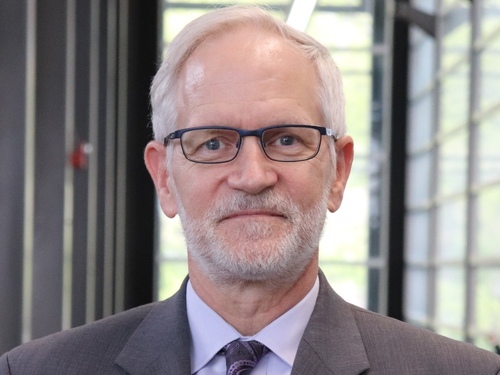
In December, Bonnie Shucha, associate dean for Library and Information Services and director of the Law Library at UW Law School, published "NotebookLM for Lawyers: AI That Focuses on Your Documents." The paper examines NotebookLM, a document-grounded artificial intelligence tool developed by Google that helps users interact with and analyze texts they upload. Rather than generating responses from a broad internet corpus, NotebookLM confines its answers to the specific documents a user has provided, which can improve accuracy and relevance for legal professionals working with complex texts.
"The value lies in precision and verifiability," said Shucha. "Every answer points back to a specific passage in a document the user has uploaded, making it easy to verify the AI’s work and ensuring that the AI tool is working only with the user’s materials."
Explaining Myriad Legal Issues After ICE Shooting
The Jan. 7 Immigration and Customs Enforcement (ICE) fatal shooting in Minneapolis and its aftermath have garnered extensive media coverage, and UW Law School faculty have been sought out for their commentary and insights, handling more than a dozen interviews with national and international media in just a few days. Bryna Godar, Harrison Stark and Robert Yablon of the State Democracy Research Initiative address the prosecution, immunity and jurisdiction issues; John Gross offers his expertise on the use of force; and Anuj Desai has been interviewed about protesters’ First Amendment rights. We've anchored coverage here.
Amanda White Eagle on Making the Tapestry of Tribal Law
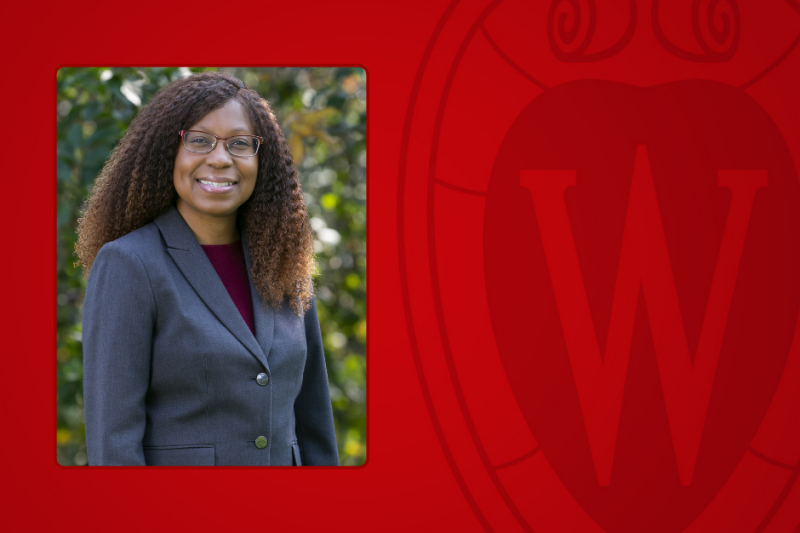
Amanda White Eagle, director of the Great Lakes Indigenous Law Center (GLILC), is featured on the latest episode of the Wisconsin Law in Action podcast. White Eagle discusses the positive impact of the GLILC as well as the Native November Symposium and the Coming Together of People’s Conference. She covers how the center connects with and works alongside a variety of stakeholders in the Law School, tribal communities and across the Great Lakes region to confront challenges facing these groups today and how she mentors students interested in tribal law. She also explains how events and GLILC amplify Indigenous law voices and give students, faculty and others the opportunity to “examine the threads that make up the tapestry” of tribal law. Listen to the podcast on Soundcloud or Apple Podcasts.
Joshua Braver: 'Deference Due?'
Assistant Professor of Law Joshua Braver recently published “Deference Due? ‘Considers’ and the Insurrection Act” to SSRN. The paper, published in January, argues that courts do not owe substantial deference when the president of the United States seeks to deploy the military domestically under three of the Insurrection Act’s four trigger provisions. The exception, argues Braver, is Section 252, which authorizes deployment “[w]henever the President considers” that has become “impracticable to enforce the laws . . . by the ordinary course of judicial proceedings.” Through analysis of the Insurrection Act’s text, statutory history and legislative history, Braver’s paper defends that claim. Read the paper.